




I get it. Everyone’s inbox is a battlefield. Between newsletters we forgot we subscribed to, cold pitches that somehow dodge the spam filter, and that coworker who insists on “reply all,” it’s easy to assume nobody’s reading emails anymore.
Except the numbers tell a different story.
B2B companies are still making serious money through email. It remains one of the few marketing channels where you can actually track every dollar spent and see what comes back. No vague “engagement metrics.” No chasing vanity numbers. Just measurable ROI, the kind your finance team actually respects.
So, no, email marketing isn’t dead. It’s just been misused. Too many marketers treat it like a megaphone when it should feel like a conversation. They send the same bland message to everyone when personalization has never been easier. They pitch when they should be helping.
Let’s unpack what email marketing really means, why it continues to outperform in B2B, and how you can use it effectively without turning your audience off.
What Email Marketing Really Means
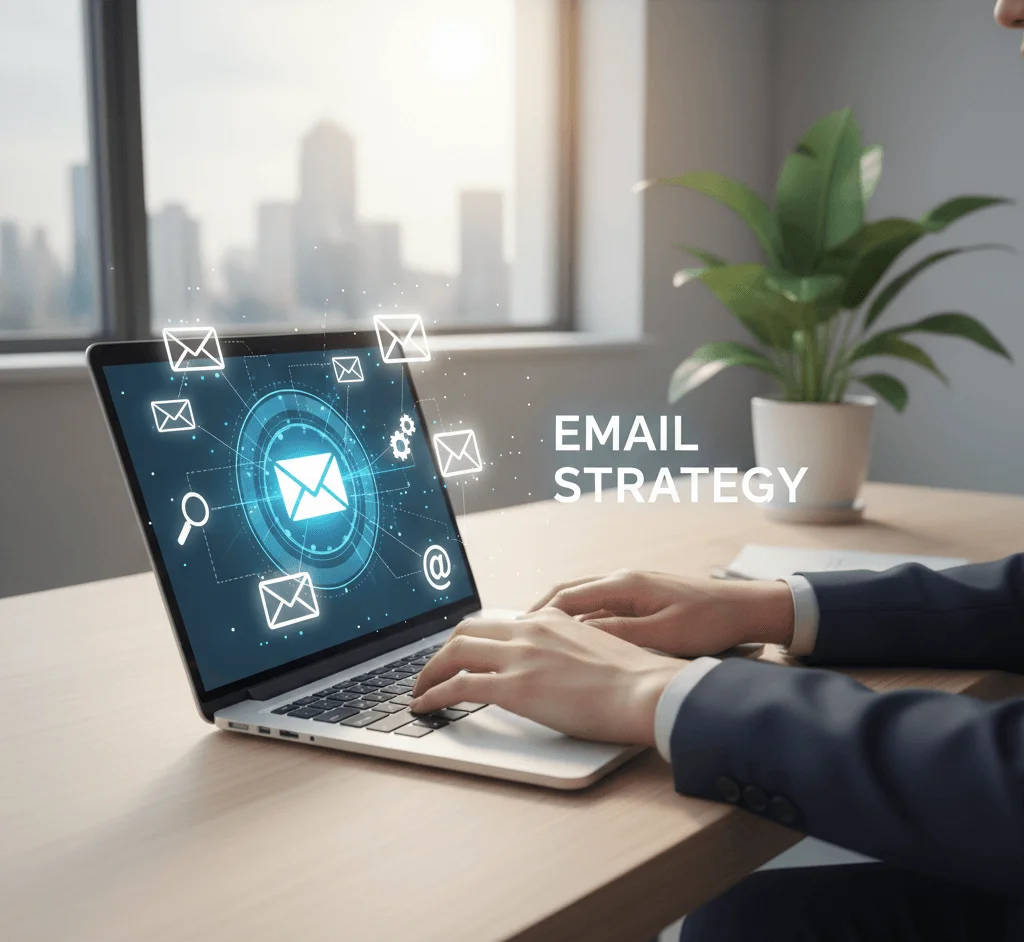
Textbook definitions make it sound robotic: “the act of sending commercial messages to a group of people via email.” Technically right, but that’s not the heart of it.
Here’s what it really is: email marketing is about earning permission to show up in someone’s inbox with content valuable enough that they actually want you back.
That permission is gold. In B2B, your subscribers aren’t just random people. They’re professionals, often decision-makers, who get a hundred emails a day. If they trust you enough to open yours, that’s an opportunity most brands waste.
Email isn’t just another marketing channel. It’s the only one you truly own. Algorithms can change overnight, social media reach can drop without warning, but your list? That’s yours. Those people chose to hear from you until you give them a reason to stop.
Why Email Marketing Still Works (Even in 2026)

Let’s be real: B2B marketing has gotten harder. Attention is shorter, competition is louder, and budgets are tighter. Yet somehow, email keeps cutting through the noise. Here’s why.
1. You Reach Real Decision-Makers
In B2B, deals don’t close overnight. There are multiple stakeholders, long approval chains, and endless back-and-forth. But email lets you reach the people who actually make decisions, the ones who check their inbox every day because that’s where work happens.
You can’t always catch them scrolling LinkedIn or TikTok, but you can catch them opening a well-crafted subject line that speaks to their pain point.
A good email can start conversations that ads simply can’t.
2. The ROI Is Unmatched
According to data from the U.S. Small Business Administration (SBA) and reports cited by Statista, email marketing averages around $36 for every $1 spent. Some campaigns do better, some worse, but the math consistently leans in email’s favor.
Compare that to paying $15 or more per click on search ads, or throwing money at social campaigns that vanish after 24 hours. With email, you pay for your tools and your content creation, not every impression.
That’s why email is such a game-changer for small and mid-sized B2B companies. Even with limited budgets, you can still compete with larger players just by being strategic.
3. Long Sales Cycles Need Consistent Nurturing
B2B deals take time, sometimes months, sometimes longer. During that window, most prospects forget you exist unless you stay in touch.
Email fills that gap perfectly. You can design sequences that educate, nurture, and remind them who you are without coming off as pushy.
In month one, maybe you share an article breaking down a common industry problem. A few weeks later, you send a case study showing how a client solved it. Later, a short email with practical advice or a quick ROI calculator. Each touchpoint builds familiarity and trust.
When the moment finally comes to buy, you’re already the name they recognize.
4. Email Builds Trust
Nobody spends thousands of dollars with a company they don’t trust. B2B buyers, especially, have their reputations on the line with every purchase.
Email helps you earn that trust over time. Not by selling, but by showing up consistently with valuable insights. Share trends. Explain complex ideas in simple language. Offer real advice instead of recycled tips.
The companies that do this right become more than vendors. They become resources. When that happens, the sales process feels natural, almost inevitable.
5. It Strengthens Everything Else You Do
Email doesn’t replace other channels. It makes them stronger.
Did you post a new blog? Email your list, that’s guaranteed traffic.
Hosting a webinar? Send an invite. Email converts better than social posts.
Does your sales team meet someone at a conference? Add them to an automated follow-up sequence, and you’ll stay on their radar long after the event.
Everything feeds into email, and email feeds back into everything else. That’s what makes it so powerful.
How Email Marketing Has Evolved
Let’s not pretend it hasn’t changed. The inbox in 2026 looks nothing like it did five years ago.
- Personalization is no longer optional.
You can’t blast one message to everyone. People expect emails that feel tailored, by industry, company size, or behavior. The tools exist. Use them. - Automation is your new best friend.
Set up workflows that run automatically: welcome sequences, re-engagement campaigns, and follow-ups after downloads. Modern platforms like HubSpot or ActiveCampaign can trigger messages based on what your subscribers actually do, not just when they signed up. - Mobile comes first.
Over 60% of work emails get opened on phones. That means short paragraphs, big buttons, and designs that look clean on small screens. - Education beats promotion.
People don’t open emails to be sold to. They open them to learn. The more you teach, the more you sell without selling.
How to Get It Right
If you’re starting fresh or your current campaigns aren’t clicking, focus on the essentials.
- Grow your list ethically. Use lead magnets that attract the right people: guides, templates, reports. Never buy lists. It’ll hurt you in the long run.
- Segment your audience. Not everyone needs to hear the same thing. Tailor your content by relevance.
- Send value, not noise. Before hitting send, ask yourself, “Would I actually want to read this?” If the answer’s no, fix it.
- Automate wisely. Let tech handle timing so you can focus on quality.
- Test and refine. Subject lines, content types, and sending times—your audience will tell you what works if you pay attention.
The goal isn’t perfection. It’s consistency.
The Real Lesson

At the heart of it, email marketing works because it builds relationships. Not shallow, transactional ones, but real connections built on value and trust.
Every email is a chance to remind your audience that you understand their world, that you care about their challenges, and that you can help them solve real problems.
Do that often enough, and you’ll turn subscribers into clients, and clients into loyal advocates.
Let’s Build Something That Works
The difference between average email marketing and great email marketing isn’t luck. It’s strategy, execution, and empathy.
If you want to turn your email list into a genuine growth engine, not just another checkbox, Success Instigators can help. We’ve built campaigns that drive measurable results for B2B companies that were once struggling to make email work.
Your email list could be your most valuable asset. Let’s make it one.